
Terra+ Regenerative Agroforestry Europe
High impact. High integrity. Improved permanence.
Verified agroforestry carbon removal credits, built to last multiple orchard cycles. Regenerating agroecosystems and building resilient orchards, with impact well beyond carbon.
The offer
59,759 verified carbon removal credits with co-benefits
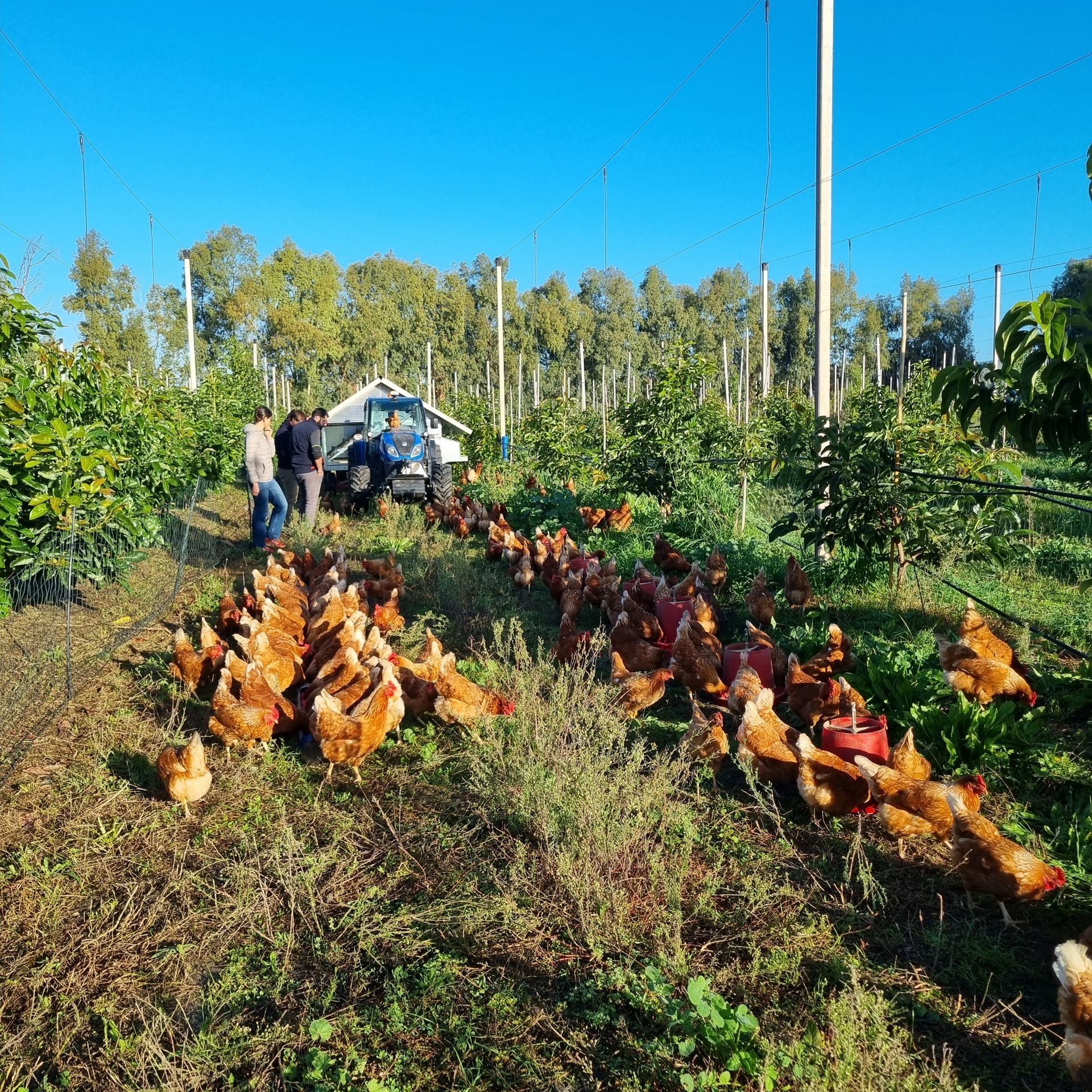
Sequestered in tree biomass and soil organic carbon. Almonds, olives, avocados, pistachios, cork oaks, mixed orchards and silvopasture.
Vintages
Credits by vintage
2026 monitoring round. Audit completed; issuance expected in December 2026.
| Vintage | Credits |
|---|---|
| 2023 | 5,003 |
| 2024 | 20,224 |
| 2025 | 34,532 |
| Total | 59,759 |
The basics
What is a carbon credit?
One credit represents one tonne of CO₂-equivalent removed from the atmosphere. In everyday terms, one tonne is roughly:
240 days
of commuting 30 km a day in a petrol car
1 flight
one way in economy, Lisbon to New York
10 days
of a European family's carbon footprint
What makes a carbon credit?
Its value comes from non-negotiable principles.
Additionality
Was the action beyond business-as-usual?
Permanence
Does the carbon stay sequestered?
No double-counting
Can only one entity claim it?
No leakage
Did emissions just shift elsewhere?
Verified co-benefits
What else does the credit deliver?
The product
What you are buying
Removal, not avoidance
Carbon removal credits (CDR/AFOLU), sequestered in tree biomass and soil organic carbon.
Terra+ methodology
Agroforestry-specific, with a dynamic baseline. ISO 14064-2 under ICR framework v6.2, soil carbon based on the RothC model.
ICR registry
Terra+ Agroforestry Europe, Project 429. ICROA-endorsed European registry, currently under ICVCM assessment.
Third-party audited
Validation and verification by Carbon Check, a UNFCCC-accredited body operating to ISO 14064-3. Annual monitoring cycle.
Not another carbon market story
Built for orchard generations, designed to hold up under scrutiny
Permanence is the biggest weakness of nature-based and agricultural credits. The Terra+ answer is structural, not only contractual.
| Annual crops | Pure forestry | Agroforestry · Terra+ | |
|---|---|---|---|
| Operation | Yearly, reversible | Passive: conservation | Active: orchards with a 25-year business plan, renewed cycle after cycle |
| Permanence | Low: reverts at any time | Conditional: depends on protection | Structural: the capital invested secures multiple full crop cycles |
| Carbon storage | Shallow soil only | Above-ground biomass | Deep roots, soil and tree biomass |
| Renewal | Re-tilled annually | Often not renewed | Orchard recycling: biomass returned, minimum disturbance |
Contractual commitment: three periods of 10 years. 20% ICR buffer pool contribution plus 15% delayed payout. Removing project trees creates a carbon debt that must be repaid before new credits are issued. 20 years of permanence monitoring after the project period.
Beyond carbon
Verified co-benefits, measured every year
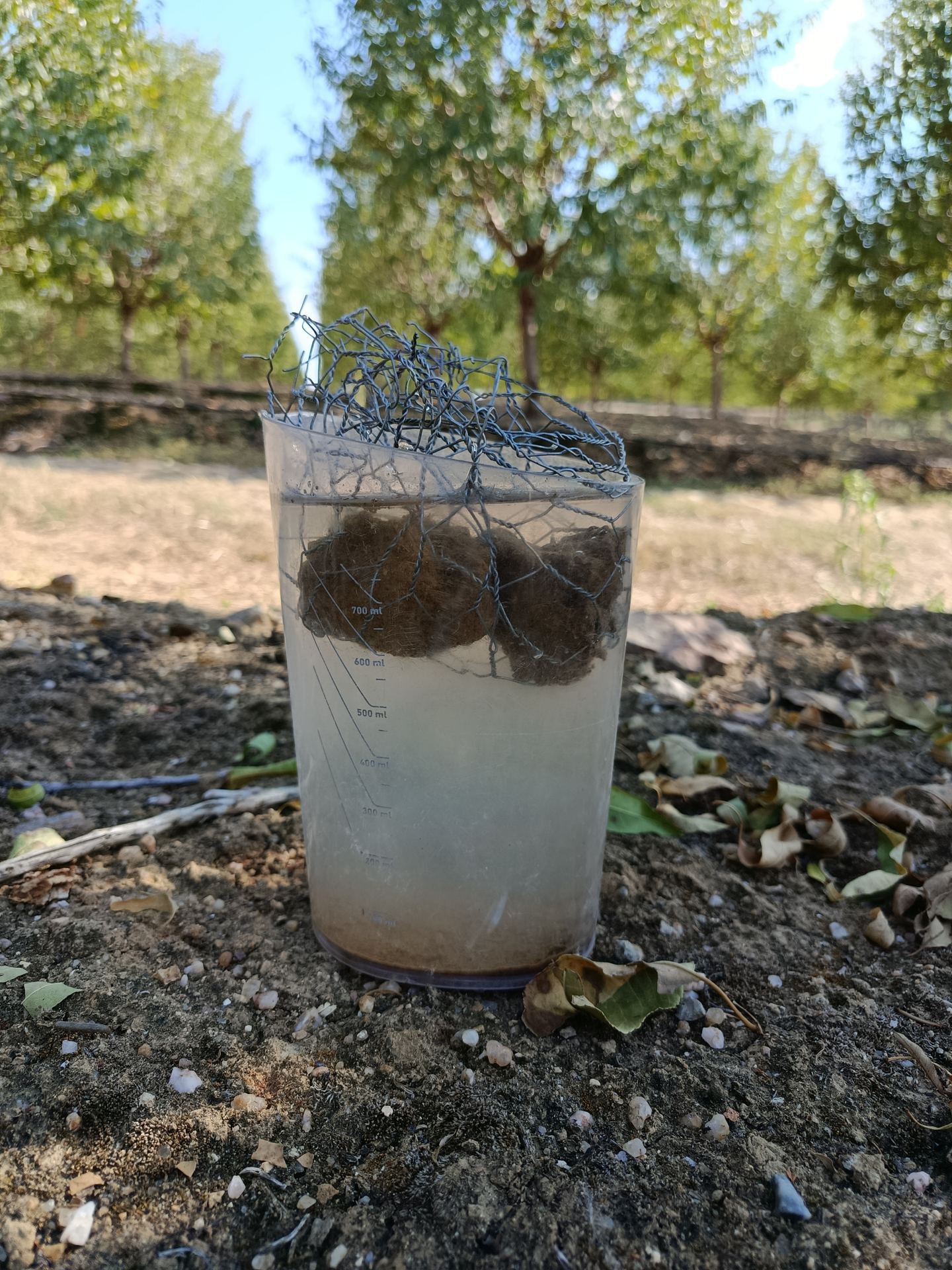
One comprehensive MRV on the ground covers carbon, soil health, biodiversity, water cycle and social impact, on every hectare enrolled.
Only practices that exceed regional common practice generate credits. The baseline is dynamic, earned year by year.
Buyer value
What Terra+ does for you, beyond the credit
CSRD-ready · ESRS E1-7
Full documentation on provenance, vintage, removals, permanence and registry for your climate disclosure.
SBTi-compatible removals
Removal credits for the residual portion of your emissions after reduction, under the SBTi Net-Zero standard.
Provenance story
Named farms, named crops, verified indicators. Every claim your communications team makes is auditable.
Defensible
European registry, third-party audited, ICROA-endorsed, designed under ICR's latest framework.
Long-term supply
A 10-year period with two contractual 10-year renewals supports long-term offtake commitments.
Commercial terms
How to buy
Volume available
59,759 credits across the 2023, 2024 and 2025 vintages.
Contract types
Spot purchases, offtake agreements and pre-commitments.
Status
Audit completed. Issuance expected in December 2026.
Price
On request, depending on volume and contract type.
Using Terra+ credits
Three ways to work with us
The methodology lets Terra+ credits exist beyond the voluntary carbon market, creating a more authentic, credible and tangible impact narrative.
Insetting projects
Farmers are rewarded for agroecological improvements by downstream value-chain partners aiming to meet their environmental and social commitments.
Regional offsetting
Carbon footprints are compensated through the voluntary market while directly supporting local ecosystems and farmers in the buyer's own region.
Voluntary carbon market
Any company can compensate its carbon footprint by purchasing verified and certified carbon removal credits.
Lock in supply from named European farms
Tell us your volume and timeline and we will come back with an offer.